
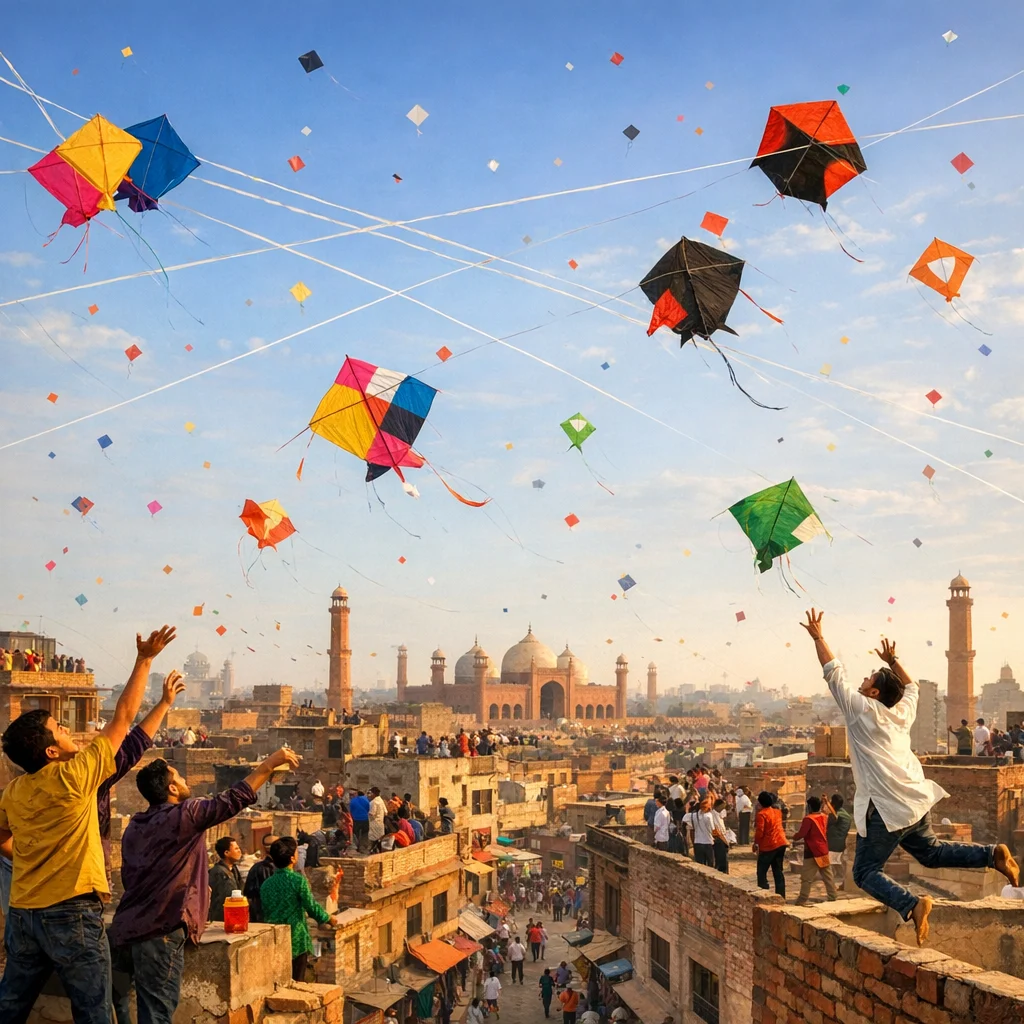
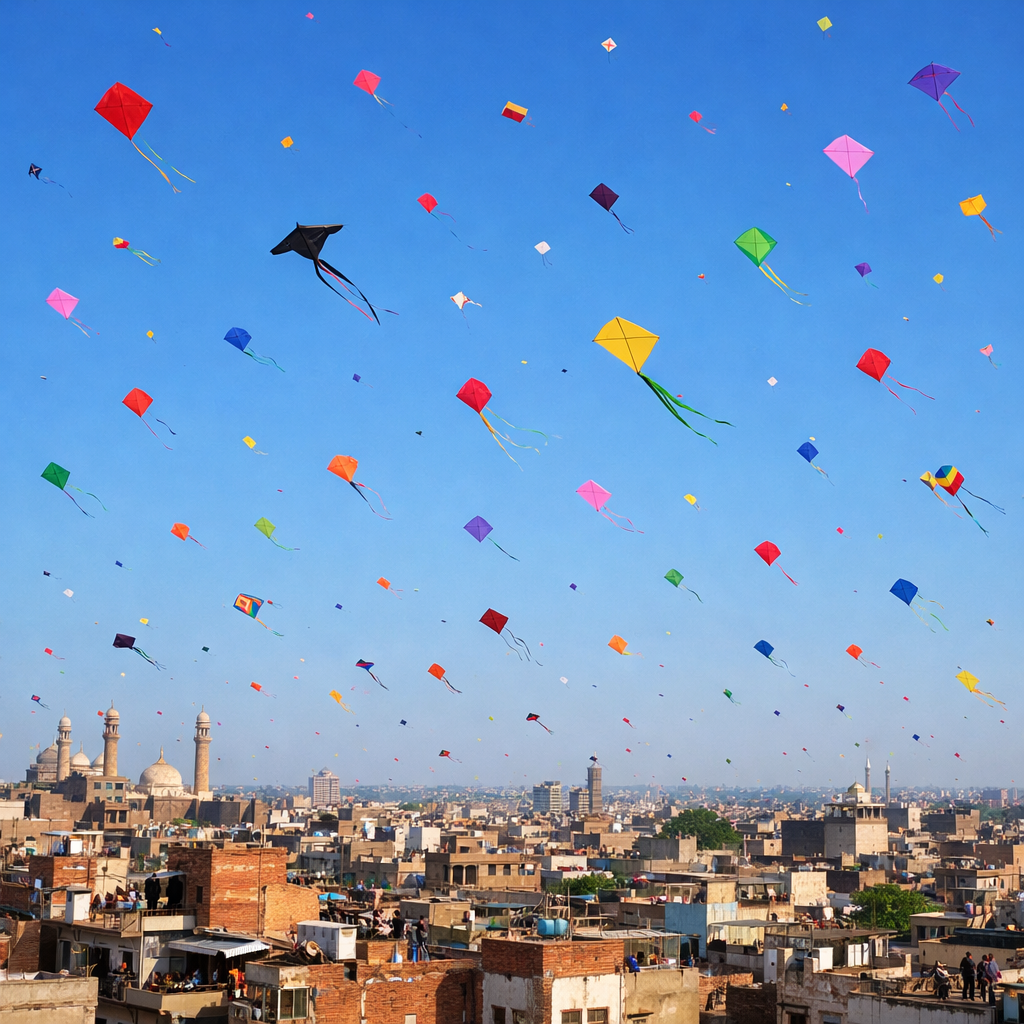
 After nearly 25 years of silence in the spring skies, Basant is officially returning to Punjab in 2026 and the excitement is impossible to miss.For a whole generation, Basant was something they had only heard about in stories: rooftops packed with families, music drifting through narrow streets, and thousands of colorful kites turning the sky into a living painting. Now, the Punjab government is announcing a safe, regulated return of Basant in Lahore by February 2026. That magic is finally coming back.
What Makes Basant So Special?
Basant is more than just kite flying; it’s Punjab’s celebration of spring.
Traditionally held in late winter or early spring, the festival brings people onto their rooftops from sunrise to late into the night. Children, parents, and grandparents all join in, shouting playful challenges as kites rise and fall. The old city of Lahore, in particular, has long been the beating heart of Basant, famous for its music, food, and all-night celebrations.
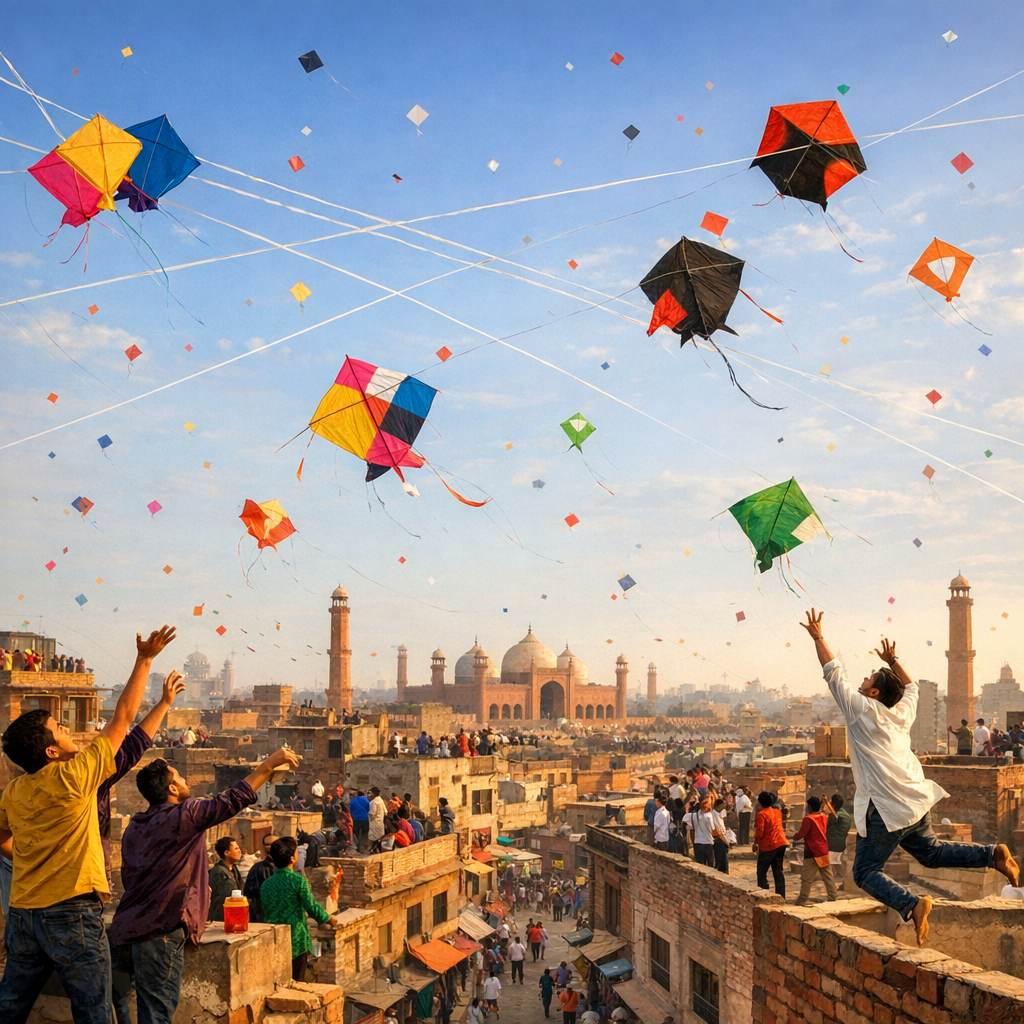
For the international reader, think of Basant as a mix of a street festival, cultural fair, and community block party, but most of it happens on rooftops and in the sky.
Why Was Basant Banned?
Despite its beauty, Basant was put on hold for serious reasons.
Starting in the late 1990s and early 2000s, dangerous kite strings began to appear metallic, chemically coated, or glass-coated threads used to gain an edge in kite-fighting contests.
These sharp strings led to tragic accidents, including injuries and deaths of motorcyclists and pedestrians, as well as frequent power disruptions when the strings hit electric lines.
In response, Punjab authorities imposed a long-running ban on kite flying and Basant festivities. What was meant to be a temporary measure effectively extended to about 25 years, without an official Basant in Lahore.
A Carefully Managed Comeback in 2026
The province is now reintroducing Basant, with clear rules and strict safety conditions.
According to the official Pakistani (Punjab) government notification and recent reporting:
- Basant is scheduled to return to Lahore by February 2026, with kite-flying on specific festival days in early February.
- Only safe, cotton thread is allowed. Metallic, glass-coated, and chemically treated strings remain fully banned.
- Kite sizes and designs are regulated, with kites carrying political or religious imagery prohibited.
- Age restrictions apply in many areas; individuals under 18 are not permitted to fly kites to reduce risky behavior.
- Designated times and zones will be enforced to ensure kite flying occurs away from critical infrastructure and traffic.
- Heavy fines and legal action will be imposed on anyone who violates the rules, including manufacturers and sellers of banned strings.
The government’s message is clear: Basant can return, but only as a safe, responsible celebration.
Joy, Nostalgia, and a New Generation’s First Basant
For people across Punjab, and especially in Lahore, the announcement feels like the return of a lost piece of their cultural soul. Kite makers and shopkeepers are preparing for a long-awaited surge in demand. Families are planning rooftop gatherings, many for the first time in decades. A whole new generation will experience its first real Basant not just through stories from parents and grandparents, but under a sky filled with yellow, red, blue, and green kites.
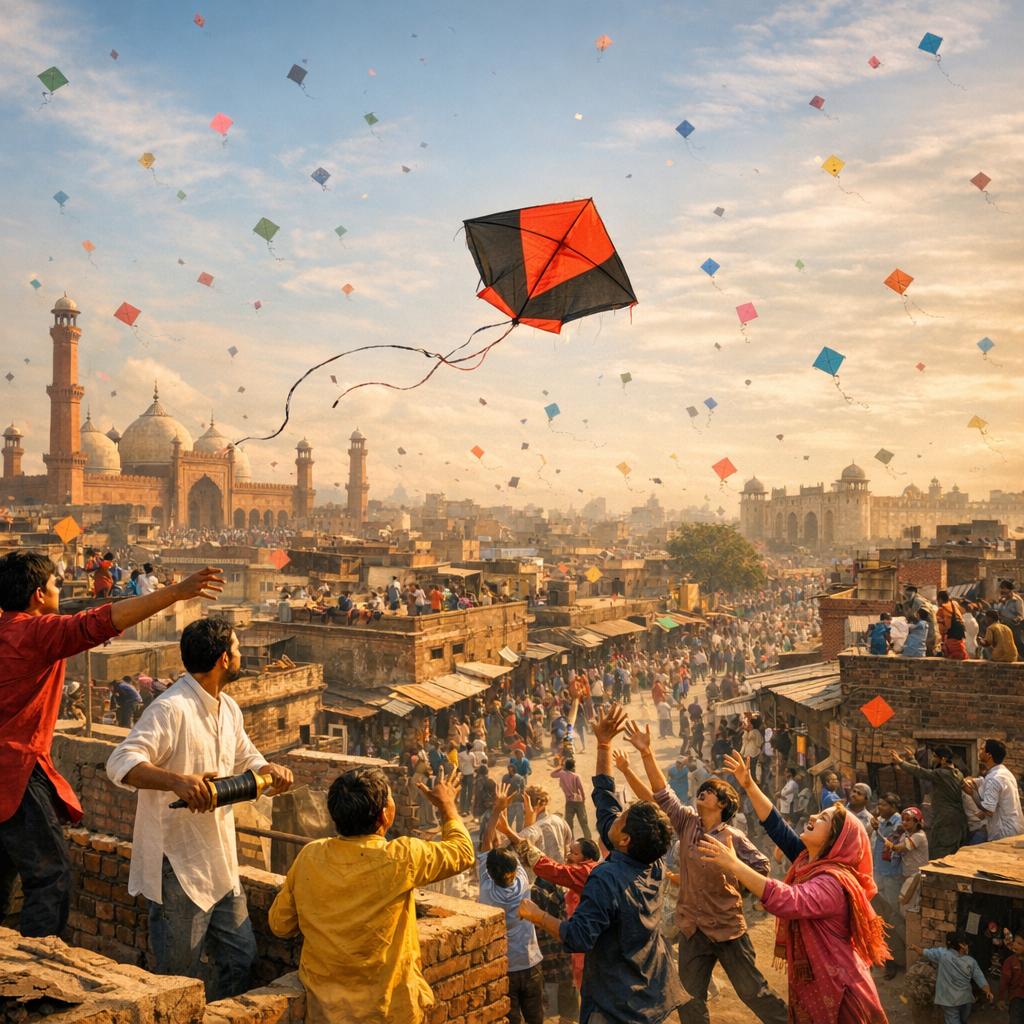
When a kite is “cut” in competition, it doesn’t just drop; it floats horizontally, aerodynamically gliding through the air as it gradually comes down. That’s when the fun really begins: people on rooftops and in the streets sprint, reach, and scramble to catch the drifting prize before it lands. It’s a small, joyful drama that plays out hundreds of times during a single Basant day.
A Sky Full of Color and Caution
As Basant 2026 approaches, Lahore and the wider Punjab region are getting ready for a moment that blends tradition and renewal.
For international observers, Basant’s return is a powerful reminder that cultural traditions can evolve. With clear rules, effective enforcement, and community cooperation, Punjab is demonstrating that heritage and safety can coexist, that a city can celebrate its identity in the sky without putting lives at risk on the ground.
In 2026, when those first kites rise over Lahore after so many quiet years, they’ll carry more than just string and paper. They’ll carry memory, resilience, and a shared hope that this time, Basant is back to stay.