
When someone dies, they leave behind more than an estate. They leave behind people who need care, pets that still need feeding, a home that needs watching, bills that keep arriving, appointments, responsibilities, and all the little things they used to take care of on their own.
Start there.
Take care of the family. Make sure the pets are cared for. Then sit down with a piece of paper and make a simple list:
What did this person normally take care of that someone else now needs to handle?
It might be paying the utilities, collecting the mail, caring for a pet, making a mortgage payment, checking on the house, managing a rental property, helping another family member, or simply knowing where important things are kept.
You don’t have to solve everything on that list today. You just need to make sure nothing important gets forgotten.
There is a lot to carry right now. Pick it up one piece at a time.
You can do this. Sí, se puede.
Once you’ve taken care of the family’s immediate needs, you can start getting organized.
Don’t start by asking, “How do I settle the whole estate?”
Start with four simpler questions:
What do we have?
Where are the important documents?
Who is responsible for making decisions?
What actually needs attention now?
As you move forward, you may find yourself saying, “I never even thought about that.” That’s normal. No one is truly prepared for everything that comes with your situation.
Ask questions. Speak your mind. If something doesn’t make sense, ask again. If something doesn’t feel right, don’t just wonder about it; get a second opinion. You don’t have to know all the right questions before you begin.
Doors start to open once you take the first step.
And when you need help, reach out to the right professional, someone who will listen, explain your options in plain language, and look out for your interests, not simply tell you what to do.
Those first few conversations can help turn uncertainty into direction.
If there is a house, condominium, rental property, or other real estate, make sure it is safe.
Check the doors and windows. Find out who has keys. If nobody is living there, arrange for someone to check the property regularly.
Look for immediate problems: water leaks, utilities, landscaping, spoiled food, accumulated mail, vehicles, medications, or valuable belongings.
For now, keep the home and its contents secure. You can make major decisions about belongings later.
You don’t need to understand every document. Just start finding them.
Look for:
Put everything together in one safe place.
If something is missing, write it on your list. You can find it later.
This is important.
Family members may know what the person wanted, but that doesn’t necessarily mean every family member has the authority to act for the estate.
A trustee, an executor named in a will, or someone the probate court must appoint may have authority.
Before selling property, signing contracts, distributing belongings, or making other major decisions, find out who has the legal authority to act on behalf of the estate.
If you don’t know the answer yet, make finding out your next step.
Instead of one overwhelming list, divide things into three groups:
Needs attention now
Family, pets, property security, insurance, urgent bills, and anything that could create a problem if ignored.
Needs attention soon
Documents, accounts, creditors, probate questions, taxes, and home-related decisions.
For later
Cleaning out closets, dividing personal belongings, remodeling the house, choosing what to sell, and other decisions that don’t need to be made immediately.
Now you have a plan instead of a pile of problems.
The family home may be the largest asset in the estate, but that doesn’t mean selling it should be the first decision.
First, understand who owns it, whether there is a mortgage, who has authority to make decisions, whether probate is required, and who else has an interest in the property.
Several heirs may also disagree on what should happen.
Before spending money on repairs or deciding to sell, understand the choices. When you’re ready for that conversation, start with What Should We Do with the Property?.
For today, remember the order:
Take care of the people.
Take care of the responsibilities left behind.
Protect the property.
Gather the papers.
Find out who has authority.
Then make the bigger decisions.
You don’t need to become a probate expert.
You just need to know what needs to be done next.
If you’re looking at your list and wondering what should come first, we’re here to help you sort through it.
A good conversation can bring clarity. Let’s talk about where you are, what matters most right now, and the next step that makes sense for you.

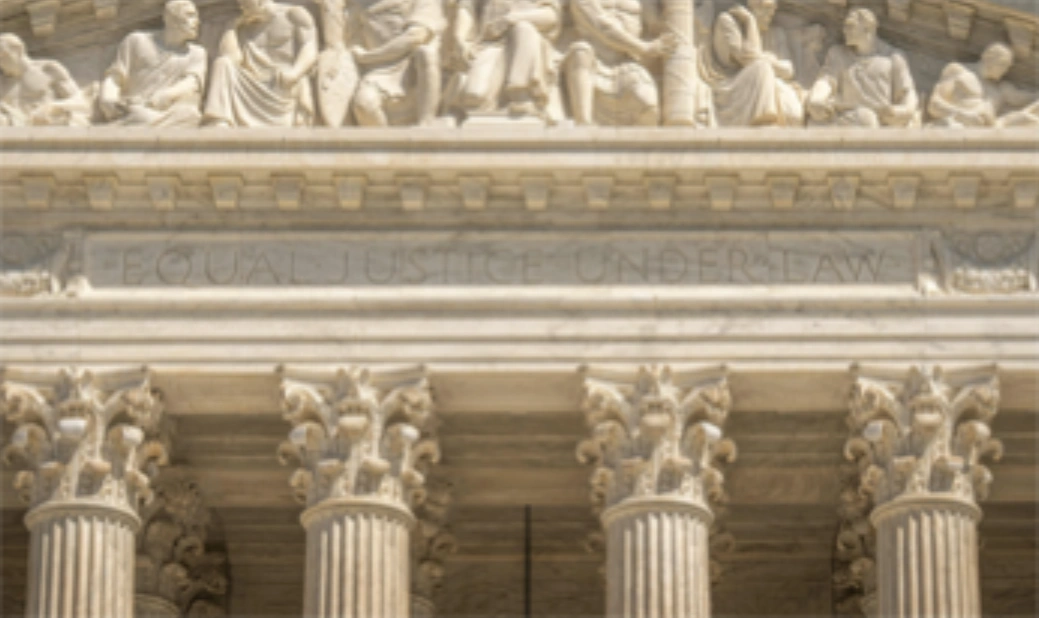
A Legacy Deserves Thoughtful Decisions
A property can represent years of work, memories, and financial value. Before deciding what comes next, take the time to understand what you have and the options available
Good decisions begin with understanding your options.
Serving Orange County, California, with structured probate and estate real estate representation.
Serving Orange County, California, with structured probate and estate real estate representation. Real estate services only. Legal and tax advice should be obtained from licensed professionals.